What Is Electrical Muscle Stimulation?
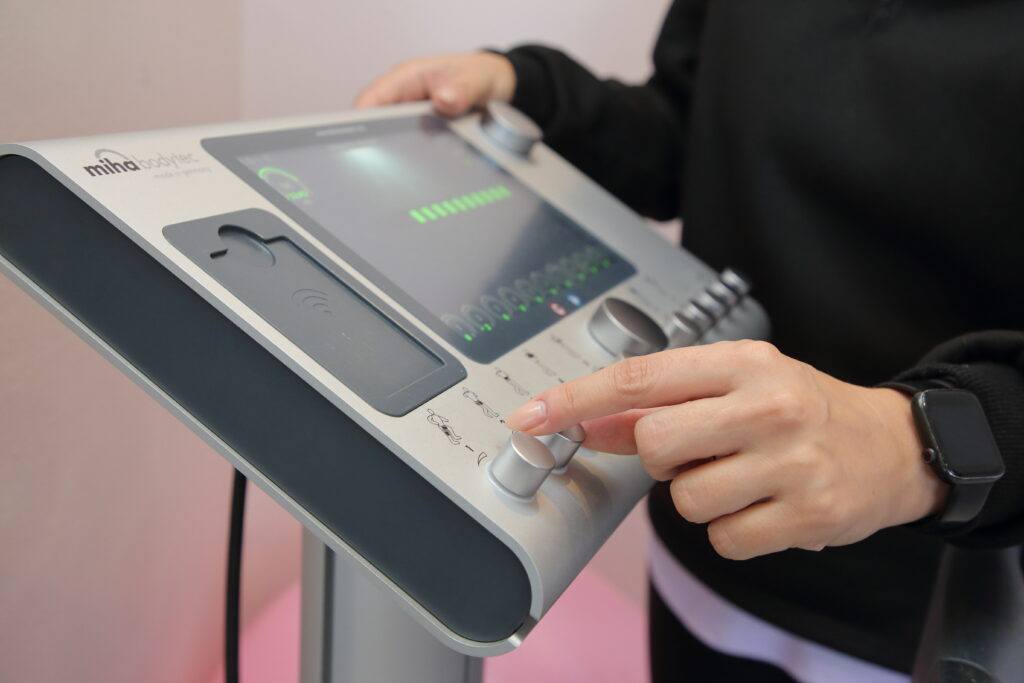
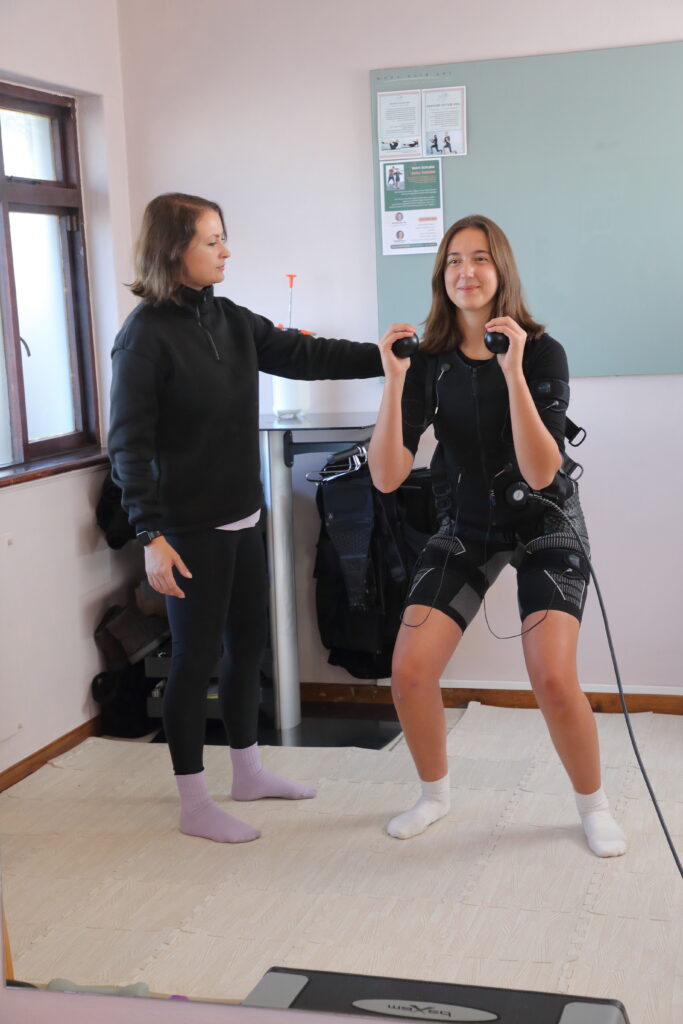
Electrical Muscle Stimulation (EMS) is a training method that uses gentle electrical impulses to activate muscles, working alongside your body’s natural movement patterns. These impulses stimulate muscles to contract in a controlled way, allowing multiple muscle groups to engage simultaneously.
About EMS
How It Works
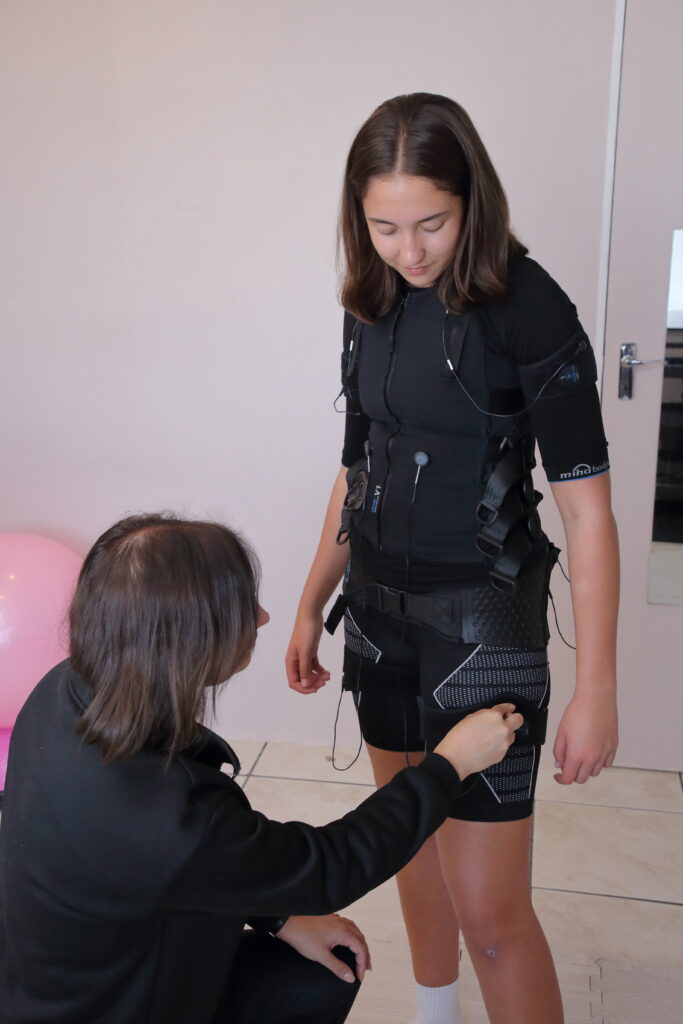
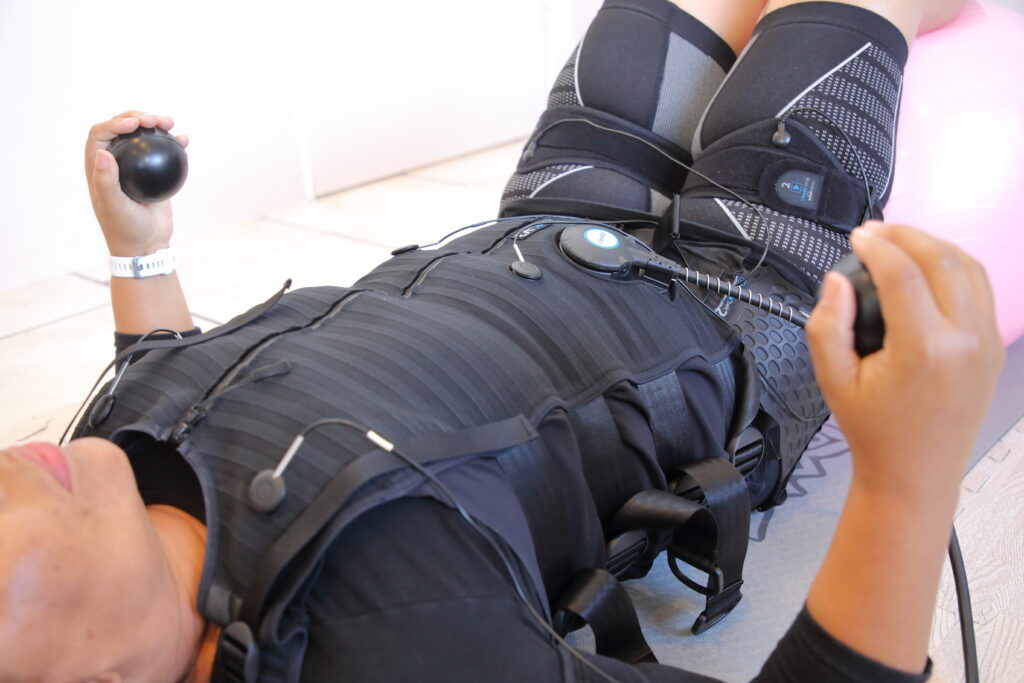
Your muscles naturally contract when electrical signals are sent from your brain. EMS supports this natural process by delivering controlled impulses directly to targeted muscle groups through a specialised suit.
✴
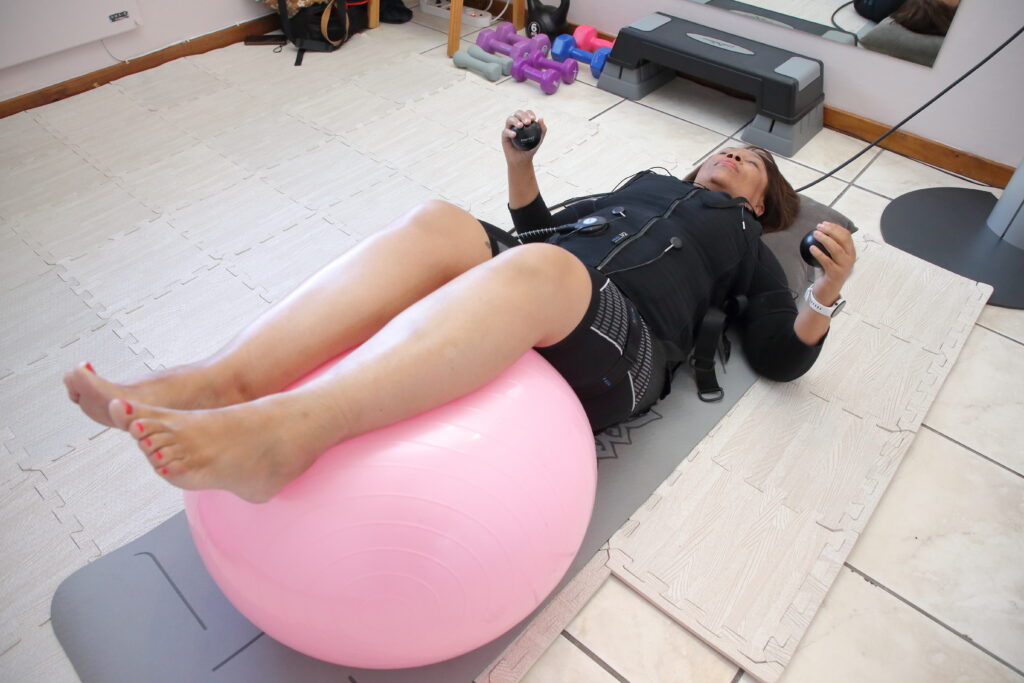
During a session, these impulses are combined with slow, intentional movements, allowing muscles to work efficiently while reducing strain on joints and surrounding tissues.
✴
All EMS sessions at Motion Restore are guided one-on-one by a trained professional to ensure safety, comfort, and proper technique.

About EMS
EMS as a Recovery & Reconditioning Tool
EMS is not a replacement for physiotherapy or medical rehabilitation. Instead, it is a powerful recovery and reconditioning tool used to support the body after injury, surgery, or once formal rehabilitation has been completed.
During recovery, muscles often become inhibited or difficult to activate, even long after pain has settled. EMS helps reconnect the mind and muscles, allowing targeted muscles to work again without placing excessive load on healing tissue.
EMS sessions are supportive in nature and do not replace medical diagnosis or rehabilitation treatment
About EMS
Why EMS Supports Recovery
After injury or surgery, weakness and poor muscle coordination can persist due to pain, swelling, or reduced movement. EMS supports recovery by gently reactivating muscles in a controlled, low-impact way.
- Reactivate under performing muscles
- Restore strength with minimal joint load
- Improve muscle balance and coordination
- Support the transition from rehabilitation to normal movement
The Next Step After Physiotherapy
Many people complete physiotherapy feeling unsure about how to safely return to normal movement or training. Motion Restore bridges that gap. We support clients after physio by providing structured, guided EMS sessions that rebuild strength, restore function, and improve confidence in movement. We also work closely with chiropractors and physiotherapists to ensure a safe, aligned approach to ongoing recovery.
About EMS
What an EMS Session at Motion Restore Looks Like
- Initial assessment and discussion of goals
- EMS suit fitting and setup
- Guided, controlled movements
- Continuous supervision and adjustment
- Cool down and recovery guidance
About EMS
Who EMS Is Suitable For
- People recovering from injury or surgery
- Those who have completed physiotherapy but need further support
- People who experience mobility or stability challenges
- People who want low-impact, guided strength training
- People who prefer one-on-one sessions
We recommend chatting with our team to determine suitability before starting.
ABSOLUTE CONTRAINDICATIONS FOR EMS
- Pregnancy – Potential effects are unknown which makes it an absolute contraindication.
- IMPLANTS – METAL/ ELECTRONIC: Metal plates, screws, pins, spinal hardware., metal mesh. Defibrillators (ICD), spinal cord or brain
- stimulators. Devices such as stents or a pacemaker can be disrupted by the electrical impulses.
- Neoplasms, malignant tumours / Active cancer: EMS increases blood flow, which could potentially promote cancer spread, but only in cases where a malignant tumour is already present
- Severe Neurological disorders/ nerve or brain disorders: MS, Parkinson’s, Peripheral Neuropathy
- Arterial disorders such as Thrombosis of any kind – EMS could potentially worsen blood clots or cause their rupture.
- Epilepsy or seizures – EMS could potentially trigger seizures in individuals with epilepsy.
- Acute illness & infection
- Prostheses
Ready to Learn More?
If you’d like to know whether EMS is right for you, we’d love to help.